

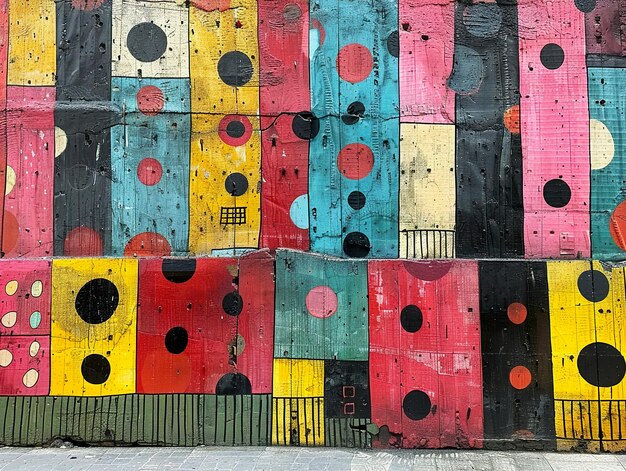
A Break From Reality Mural, Columbus, Ohio
You don’t expect whimsy in a parking garage until you stumble onto this pastel daydream. Inside the Vine Street Garage, a wall-sized fantasy map anchors A Break From Reality with a towering white tree, drifting creatures, and playful place names tucked into the scene. It’s the kind of piece you catch on your way to a convention or a show, then find yourself lingering in front of to trace the paths and tiny storylines.
The mural is credited to Columbus College of Art & Design Outreach, and it sits within the Greater Columbus Convention Center’s public art experience curated by the Franklin County Convention Facilities Authority. That Art Loop threads works through the Convention Center campus and its adjacent spaces, and A Break From Reality is one of the pieces that turns an in-between spot into part of the visit. Even if you’re just cutting through the garage, the composition pulls you in with a cartographer’s logic: islands and landmarks to discover, soft colors that calm the pace, and enough detail to reward a second pass.
What makes this stop work is how easy it is to fold into a downtown plan. If you’re already parking for an event, it’s right there to walk up to and appreciate for a minute or five. The mural’s map-like layout makes it especially fun for kids and for anyone who likes to scan for hidden labels and characters. You don’t need a ticket or a tour to enjoy it, and the surrounding Art Loop pieces give you more to hunt for if you have time.
Because the mural lives inside an actively used garage that serves the Convention Center and nearby hotels, access follows the garage’s operating schedule and event rhythms. Viewing the artwork itself is free; if you’re driving, expect standard garage parking rates when you park. It’s an easy add-on to a downtown errand or a quick detour that resets your head before or after a busy day.
- Location: Inside the Vine Street Garage in the Greater Columbus Convention Center area (Downtown/Arena District).
- Artist credit: Columbus College of Art & Design Outreach.
- Collection: Part of the Franklin County Convention Facilities Authority’s Convention Center Art Loop.
- Access: Public to view during garage operating hours; timing can vary with Convention Center events.
- Cost: Free to view; standard garage parking rates apply if you park a vehicle.
- What it’s known for: A pastel, map-like mural with a central tree and whimsical labeled zones that invite slow looking.
If you’re already in the Convention Center area and want a quick, no-ticket public art moment, plan a short stop for A Break From Reality as you pass through the Vine Street Garage.
Published: September 9, 2026 · Reviewed by the Whats Up Columbus editorial team